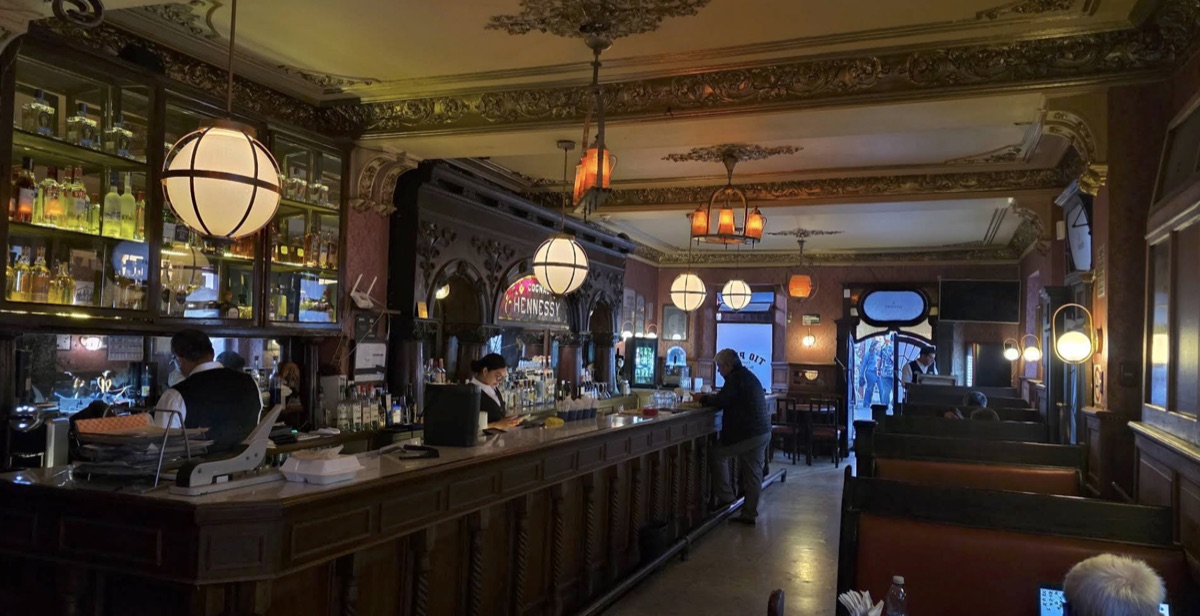
Centro Histórico is where Mexico City began, and where some of its best eating still hides in plain sight. Tourists walk past taquerías that have been serving the same suadero since before their grandparents were born. A Chinese breakfast spot tucked into a colonial arcade draws lines of people who know. Pulquerías with no signs and no menus operate the same way they have for a century. This is the least curated, most rewarding part of the city to eat in — if you know where to look.

What to Order
El Rey del Suadero has been cooking brisket-style beef in copper pots of rendered fat for decades. The suadero is crispy at the edges, soft in the middle, and best eaten on blue corn tortillas with just salsa verde. One of the defining taco experiences in all of Mexico City.
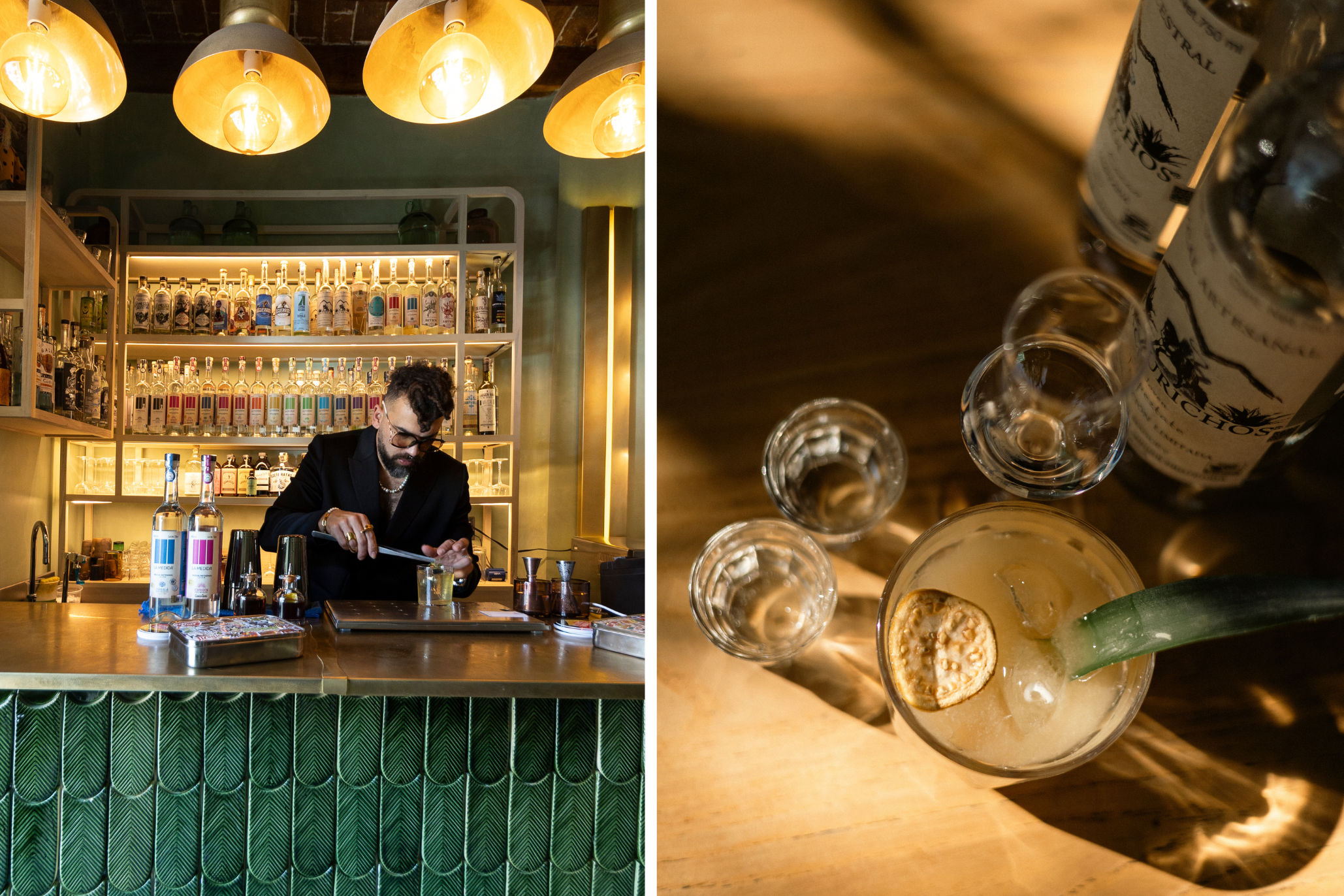
Pulquería Los Paseos is one of the last great traditional pulquerías in the city. Fermented agave sap, flavoured with fruits and nuts, served in clay mugs. The regulars have been coming for years. No cocktail menu, no Instagram lighting — just pulque.
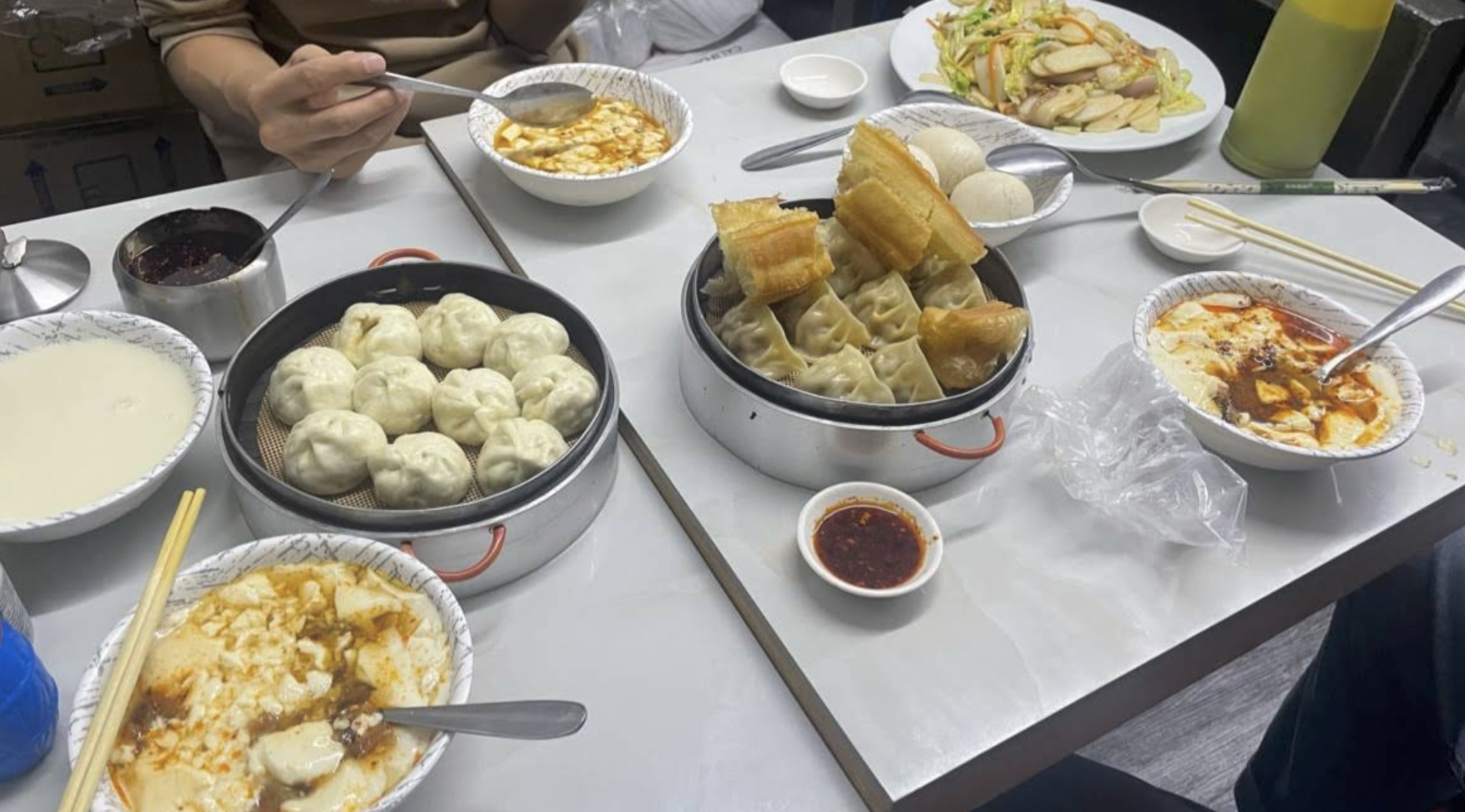
Du-Te Chinese Breakfast is a genuine surprise in the heart of the city. Jianbing (Chinese crepes), congee, and fried dough sticks served fast and cheap. A relic of the old Chinatown that used to span this part of Centro.
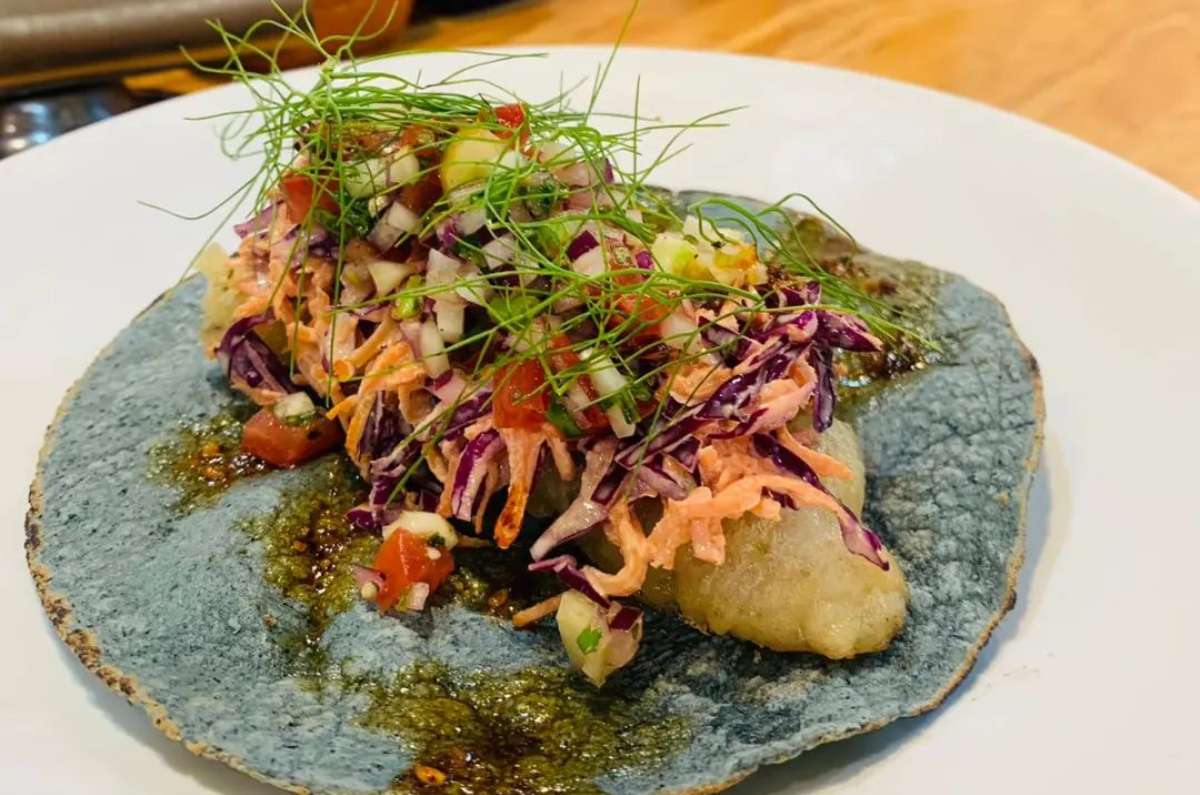
Cabo San Juan brings Baja-style mariscos to Centro: cold, fresh tostadas piled with crab, shrimp, and avocado, finished with lime and their house salsas. One of the highest-rated spots in the entire database.
El Huequito claims to have invented the taco al pastor — a bold claim, but the evidence is compelling. Turkey pastor on a vertical spit, eaten standing at a narrow counter on a tiny alley. Lines at peak hours. Entirely worth it.
The Vibe
Centro Histórico covers the original grid of Tenochtitlan, built over by the Spanish and now one of the largest historic centres in the Americas. During the day it's densely packed: street vendors, tourists at the Zócalo, office workers on lunch breaks, and pilgrims heading to the Catedral Metropolitana. The food scene is overwhelmingly local — workers' lunch counters, market comedores, taquería stands that open at noon and close when they sell out. After 7pm, the crowds thin and the pulquerías open their doors.
Taquerías & Street Food
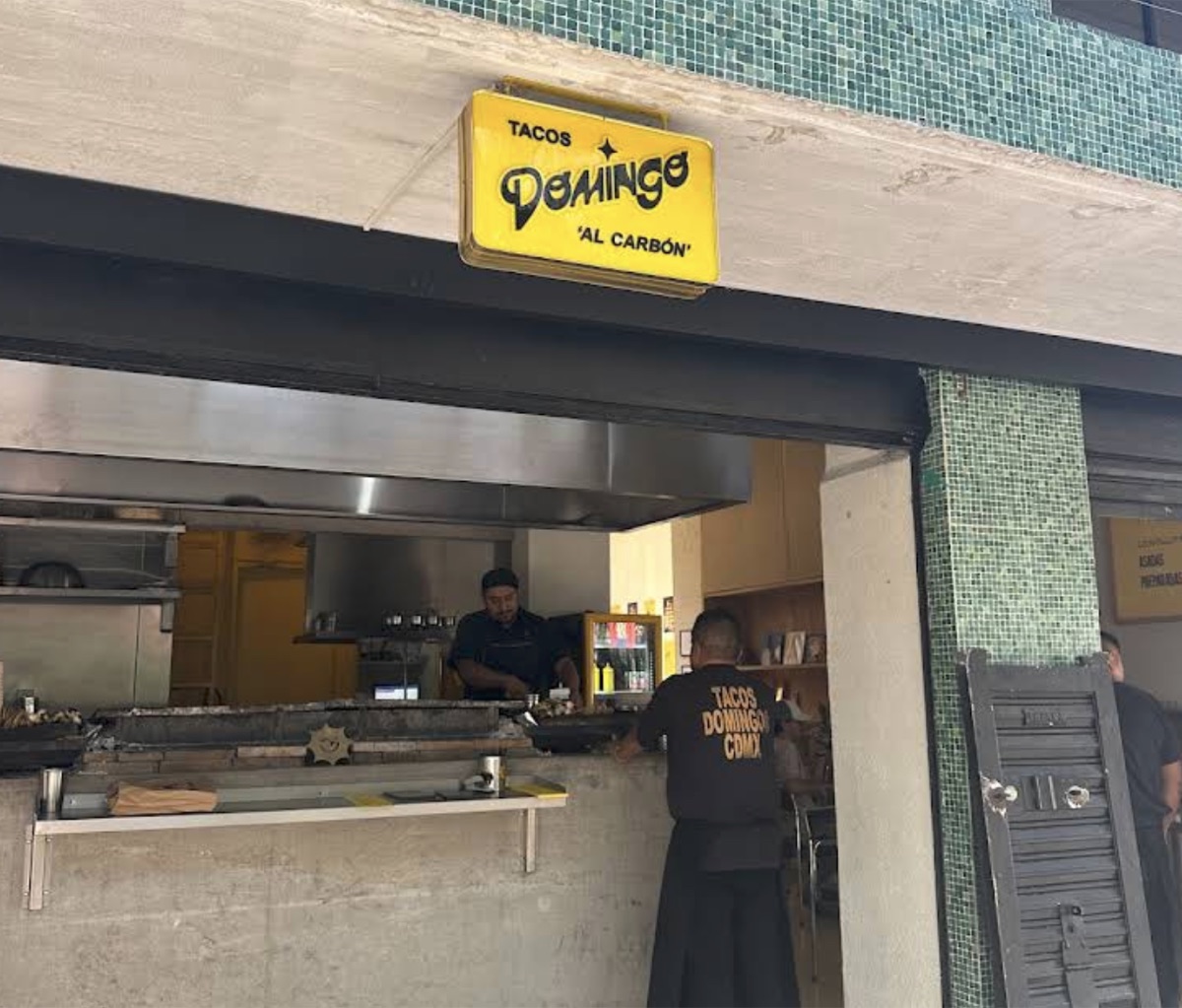
Centro has some of the oldest taquerías in the city. El Huequito operates out of a sliver of a building and claims the invention of al pastor; El Rey del Suadero cooks brisket in fat the old way; Ricos Tacos Toluca brings Toluca-style chorizo and longaniza tacos that are rarely found elsewhere in CDMX. Taquería Miranda Cruz is a lunch-only comedor that fills with workers within minutes of opening. These are not destination restaurants — they are working taquerías that happen to serve excellent food.
The Hidden Chinatown
Mexico City had a significant Chinese community in Centro for much of the 20th century. Most of it is gone, but traces remain: Du-Te Chinese Breakfast is the most compelling survivor, serving jianbing and congee from a small shop that would fit unremarkably into any Shanghai neighbourhood. It's a genuine piece of food history operating inside a colonial building.
Getting Around
Centro is well served by metro: Zócalo (Line 2) drops you in the heart of it, Bellas Artes (Lines 2 and 8) covers the western edge, and Isabel la Católica (Line 1) is good for the southern restaurants. Walking is the only way to find the best spots — many have no signage and no Google Maps presence. Take the metro in and walk everything else.